
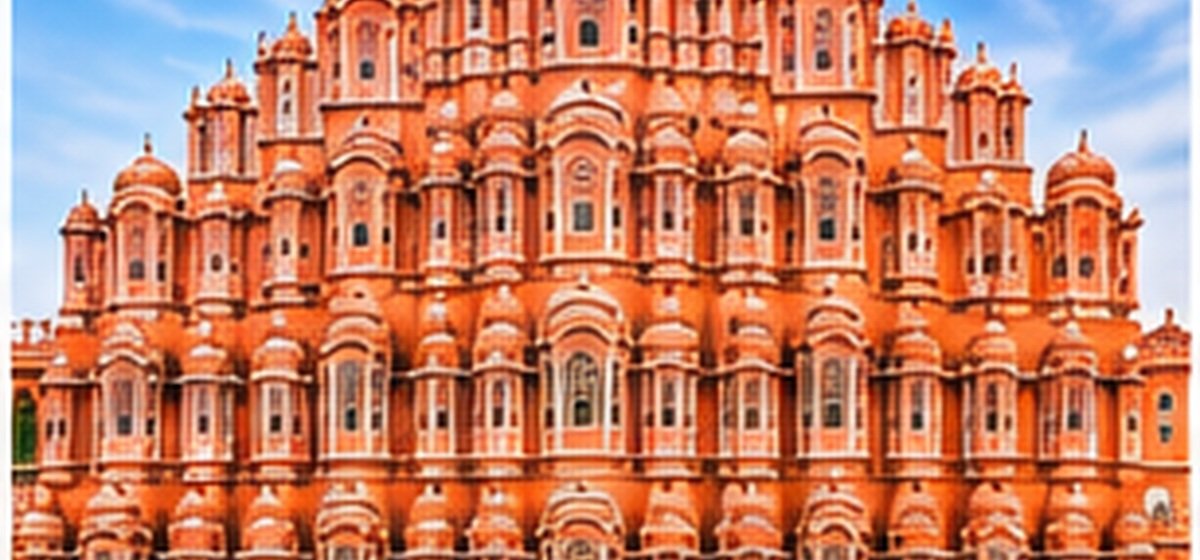
Jaipur has a way of drawing you in with its royal forts, beautiful palaces, and lively streets filled with the colours of Rajasthan. What makes the city special is how easily its rich history blends with everyday local life. From admiring the architecture of Amer Fort to wandering through the bustling markets of the old city, there’s plenty to experience beyond the usual sightseeing. If you’re planning a trip, I’ve put together this list of the 20 best places to visit in Jaipur to help you discover the city’s highlights and make the most of your time there.
1. Amer Fort
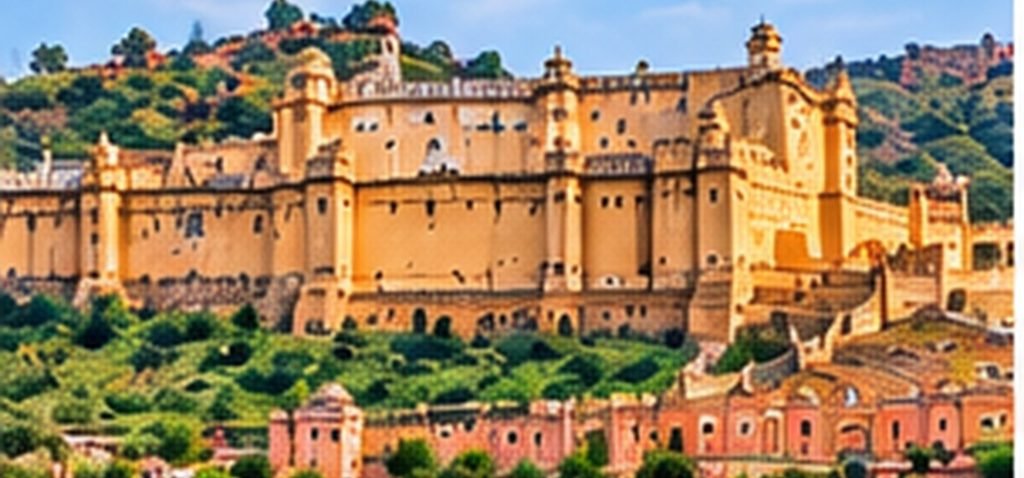
Amer Fort is one of the most impressive historical places to visit in Jaipur, known for its grand courtyards, intricate carvings, and beautiful blend of Rajput and Mughal architecture. Built in 1592 under the patronage of Raja Man Singh I, this hilltop palace overlooks Maota Lake and offers a glimpse into Rajasthan’s royal past. Inside, the magnificent Sheesh Mahal, decorated with countless tiny mirrors, is a major highlight, while the ornate Ganesh Pol showcases remarkable craftsmanship. Located around 11 km from Jaipur city centre, Amer Fort is a must-visit for anyone interested in history, architecture, and royal heritage.
2. Hawa Mahal
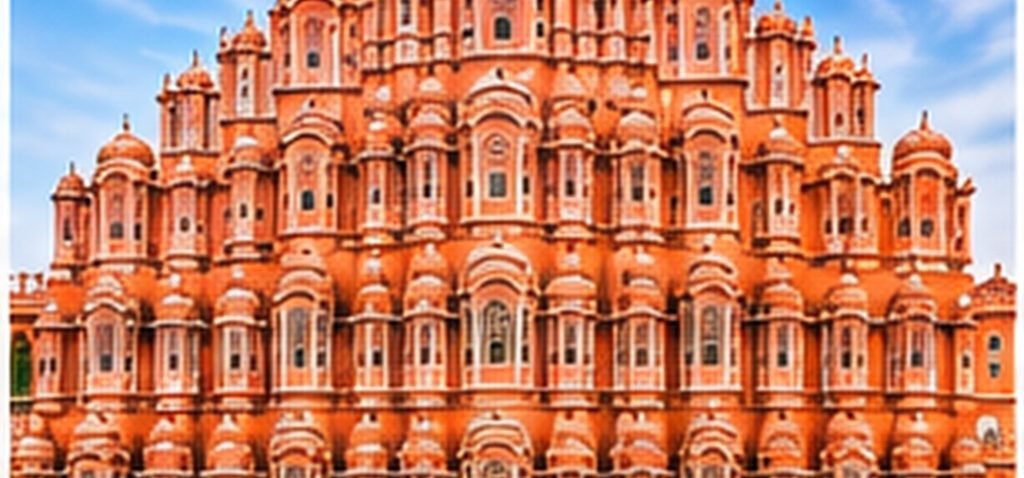
Hawa Mahal is one of the most recognisable landmarks in Jaipur, admired for its distinctive pink sandstone façade and intricate honeycomb-like windows. Built in 1799 by Maharaja Sawai Pratap Singh, this five-storey structure was designed by architect Lal Chand Ustad, with 953 small windows, known as jharokhas, that allowed royal women to observe street festivities without being seen from outside. Its unique design also encouraged natural airflow, giving the palace its name, the “Palace of Winds.” Located in Jaipur’s bustling old city, near the City Palace and Jantar Mantar, Hawa Mahal is a must-visit for anyone interested in Rajput architecture, history, and photography.
3. City Palace
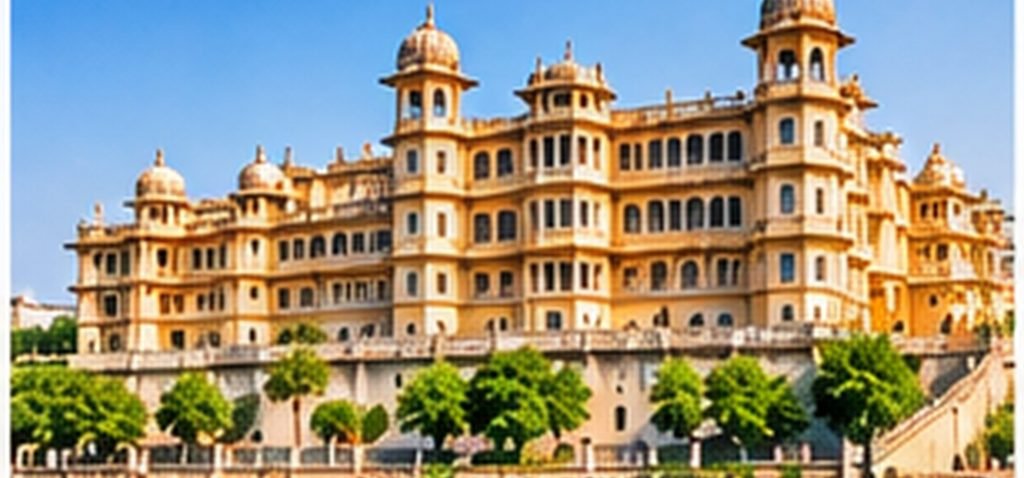
City Palace is one of the most remarkable places to visit in Jaipur, offering a fascinating glimpse into the royal history and architectural heritage of Rajasthan. Founded by Maharaja Sawai Jai Singh II in the 18th century, the palace complex showcases a beautiful blend of Rajput and Mughal architectural styles, with elegant courtyards, ornate gateways, and intricately decorated halls. Mubarak Mahal, known for its impressive architecture and collection of royal textiles, and the museum galleries displaying historical costumes, paintings, and weapons are among its highlights. Located in the heart of Jaipur’s old walled city, City Palace remains partly a royal residence, making it a particularly interesting stop for visitors exploring the city’s past.
4. Jantar Mantar
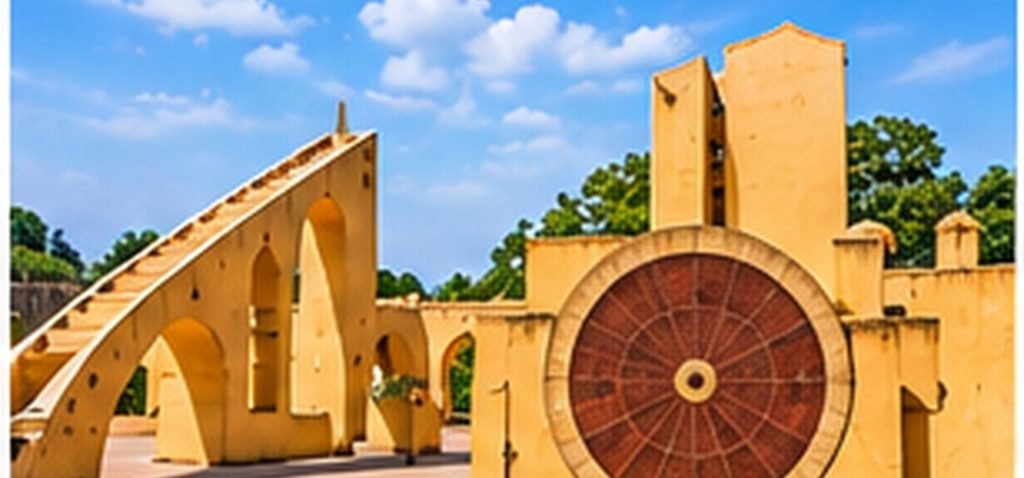
Jantar Mantar is one of the most fascinating historical places to visit in Jaipur, offering a remarkable insight into India’s early astronomical achievements. Built by Maharaja Sawai Jai Singh II and completed in 1734, this UNESCO World Heritage Site features an impressive collection of large-scale instruments designed to measure time, track celestial movements, and observe the positions of stars and planets with the naked eye. One of its most striking structures is the Samrat Yantra, a monumental sundial that demonstrates the precision of traditional astronomical calculations. Located near City Palace in Jaipur’s old city, Jantar Mantar is well worth visiting for anyone interested in science, mathematics, history, and architecture.
5. Nahargarh Fort
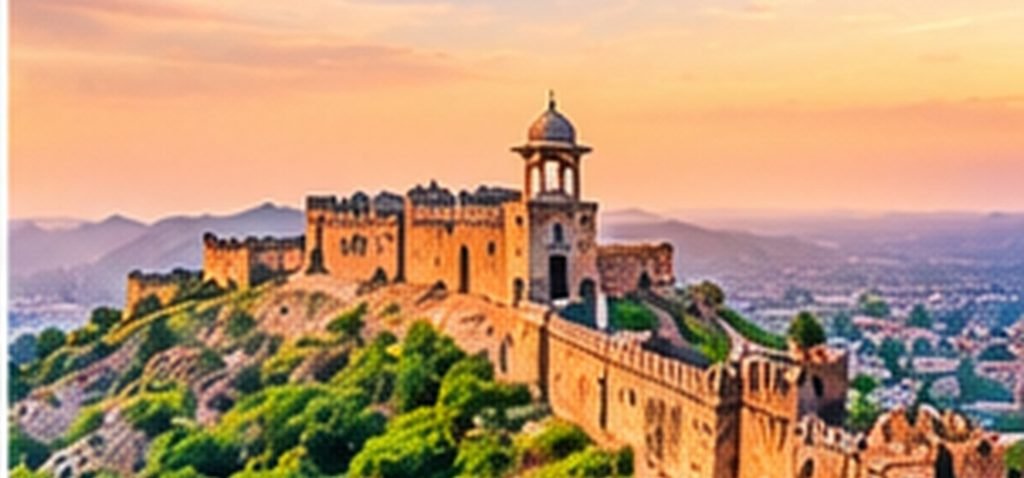
Nahargarh Fort is one of the best places to visit in Jaipur for its impressive hilltop setting, historic architecture, and sweeping views of the Pink City. Built in 1734 by Maharaja Sawai Jai Singh II, the fort once formed part of Jaipur’s defensive network alongside Amer Fort and Jaigarh Fort. Its most notable attraction is Madhavendra Bhawan, a palace complex featuring elegant suites, connecting corridors, and delicate frescoes that reflect the lifestyle of the royal family. Perched on the Aravalli Hills, Nahargarh Fort is particularly beautiful in the late afternoon, when the setting sun casts a warm glow over Jaipur. It is an excellent stop for history enthusiasts, photography lovers, and anyone seeking a memorable view of the city.
6. Jaigarh Fort
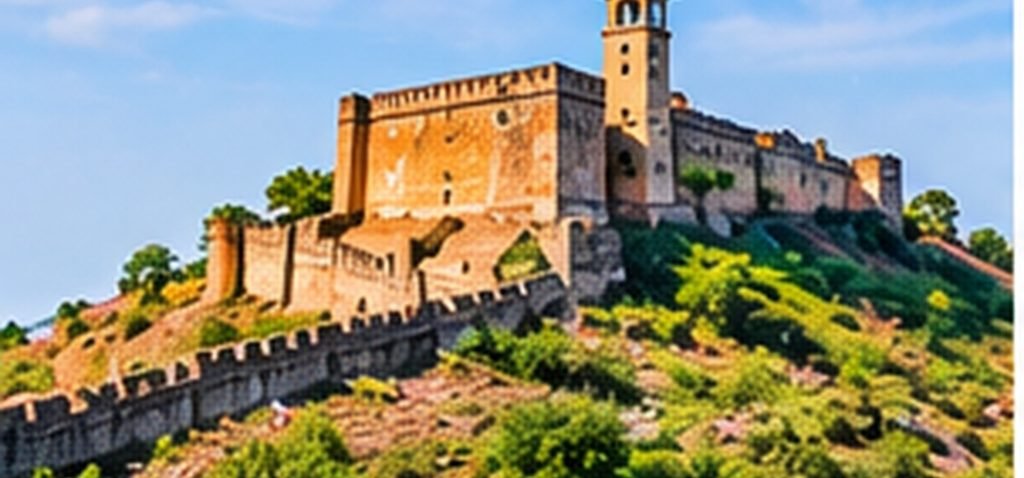
Jaigarh Fort is one of the most impressive historical attractions in Jaipur, renowned for its formidable sandstone walls, military engineering, and sweeping views of the Aravalli Hills. Built in 1726 by Maharaja Sawai Jai Singh II, the fort was strategically designed to protect the nearby Amer Fort and its royal complex. Its most famous attraction is the Jaivana Cannon, a remarkable piece of artillery manufactured at the fort and historically recognised as one of the largest cannons on wheels. Beyond its military significance, Jaigarh Fort features ancient watchtowers, spacious courtyards, an armoury, and ingenious rainwater-harvesting systems that reflect the engineering skills of its builders. Located at Cheel ka Teela (Hill of Eagles) in Amer, approximately 15 km from Jaipur city centre, the fort is an excellent place to explore Rajasthan’s military heritage while enjoying panoramic views of Amer Fort and the surrounding hills.
7. Jal Mahal
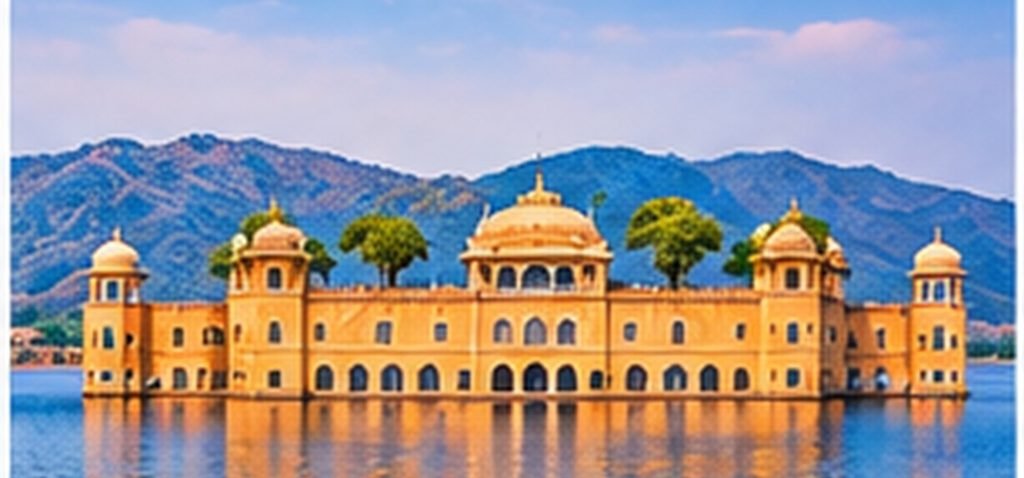
Jal Mahal is one of the most picturesque places to visit in Jaipur, admired for its elegant architecture and striking appearance in the middle of Man Sagar Lake. Built primarily as a royal hunting lodge during the reign of Maharaja Madho Singh I and later renovated under Maharaja Jai Singh II, this 18th-century palace showcases a graceful blend of Rajput and Mughal architectural styles. One of its most fascinating features is its five-storey structure, with four floors remaining submerged when the lake is full, leaving only the upper floor visible above the water. Located on Amer Road, approximately 6 km from Jaipur’s historic city centre, Jal Mahal offers beautiful views of the surrounding Aravalli Hills and is especially appealing for photography during the early morning and evening. Although the palace interior is generally closed to visitors, you can admire its beauty from the lakeside, making it a worthwhile stop on your Jaipur sightseeing itinerary.
8. Albert Hall Museum
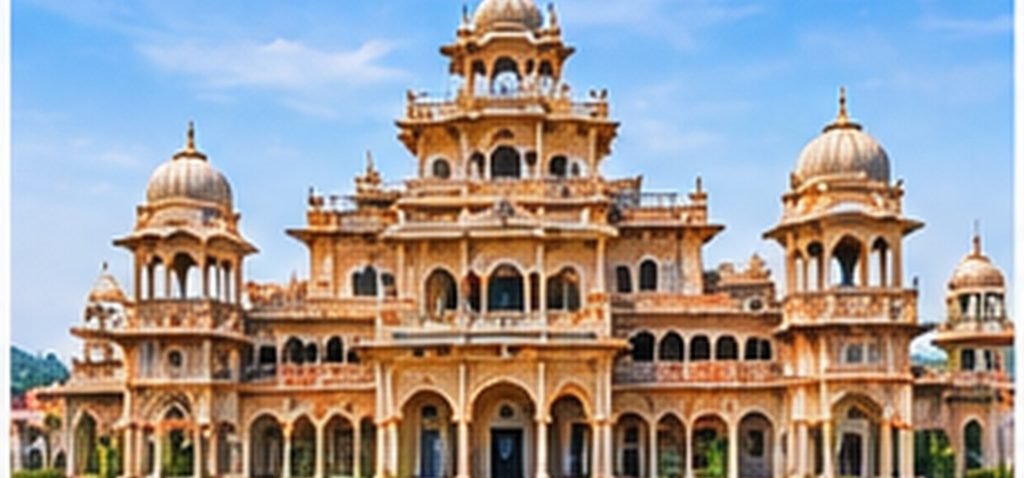
Albert Hall Museum is one of the most fascinating cultural attractions in Jaipur, known for its magnificent Indo-Saracenic architecture and extensive collection of historical artefacts. Designed by Sir Samuel Swinton Jacob, the building had its foundation stone laid in 1876 during the visit of the Prince of Wales, Albert Edward, and opened as a museum in 1887. Inside, visitors can explore an impressive range of exhibits, including Rajasthani miniature paintings, traditional textiles, carpets, sculptures, jewellery, and metalwork. The museum also houses a notable Egyptian mummy, adding an unusual highlight to its diverse collection. Located in Ram Niwas Garden, near the New Gate in Jaipur, Albert Hall Museum is worth visiting for anyone interested in art, history, and Rajasthan’s rich cultural heritage. Its beautifully illuminated exterior after dark also makes it a popular spot for evening photography.
9. Gaitor Ki Chhatriyan
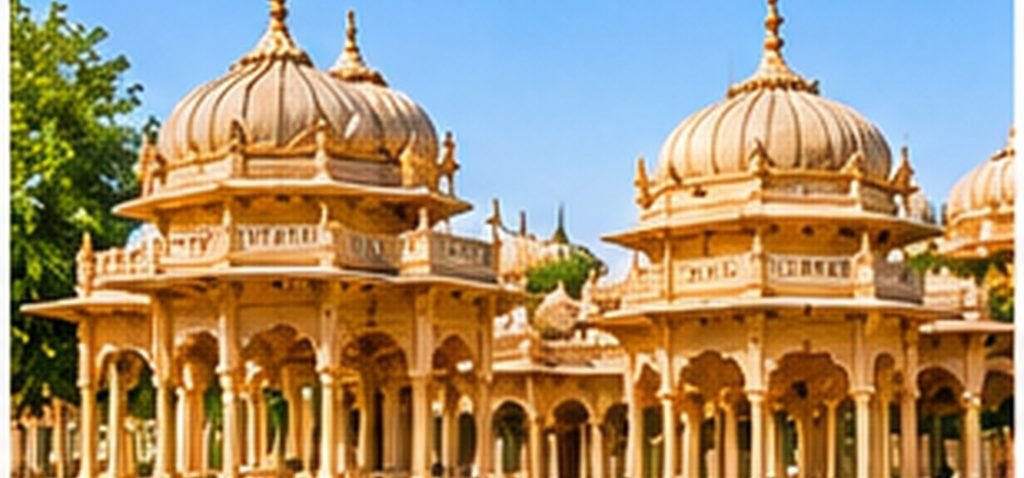
Gaitor Ki Chhatriyan is one of Jaipur’s most beautiful yet relatively peaceful heritage sites, celebrated for its intricately carved marble cenotaphs and elegant domed pavilions. Serving as the royal cremation ground of Jaipur’s former Kachhwaha rulers, the complex offers a fascinating glimpse into Rajput traditions, royal history, and the craftsmanship of a bygone era. The most striking monument commemorates Maharaja Sawai Jai Singh II, the founder of Jaipur, and features finely sculpted pillars and detailed marble work that reflect the artistry of its time. Unlike the city’s grand forts and bustling palaces, Gaitor offers a quieter setting where visitors can appreciate the finer details of Rajasthan’s architectural heritage. Located off the Jaipur–Amber Road, near the foothills of Nahargarh Fort in Brahampuri, Jaipur, it is an excellent addition to your itinerary if you enjoy history, architecture, and discovering lesser-known attractions.
10. Patrika Gate
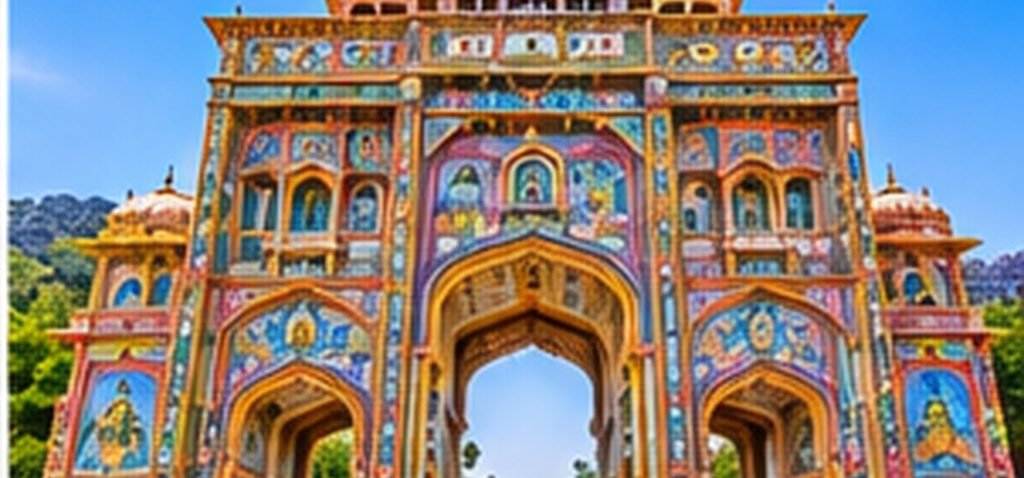
Patrika Gate is one of Jaipur’s most eye-catching attractions, celebrated for its vibrant colours, ornate arches, and intricate artwork showcasing the cultural heritage of Rajasthan. Unlike the city’s centuries-old forts and palaces, this relatively modern landmark offers a colourful interpretation of the state’s traditional architecture, with painted pillars and decorative panels depicting regional art, historical landmarks, and local traditions. Built by the Rajasthan Patrika Group, the gate has become a favourite spot for photography enthusiasts and travellers looking for a memorable backdrop. Located at the entrance to Jawahar Circle Garden on Jawaharlal Nehru Marg, in Jaipur’s Malviya Nagar area, near Jaipur International Airport, Patrika Gate is easy to include in a sightseeing itinerary. Visit early in the morning to appreciate the detailed artwork and take photographs before the area becomes crowded.
11. Panna Meena Ka Kund
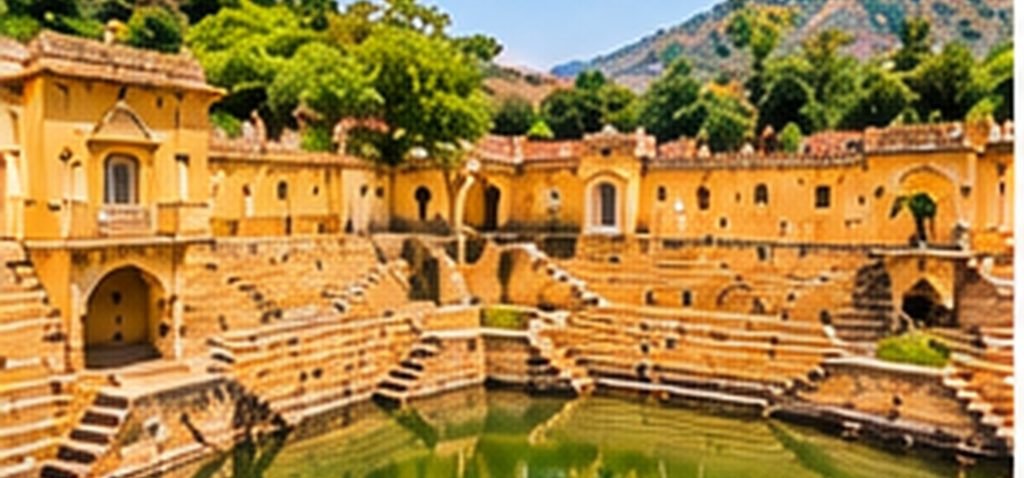
Panna Meena Ka Kund is a beautiful example of Rajasthan’s traditional architecture, known for its symmetrical staircases and geometric patterns. Dating back to the 16th century, this historic stepwell was designed to collect and store water while serving as a gathering place for the local community. Its crisscrossing steps create a striking visual pattern, making it a favourite among photography and heritage enthusiasts. Located in Amer, near Amer Fort and opposite the Anokhi Museum of Hand Printing, around 11 km from Jaipur city centre, it is worth visiting for its architectural beauty and fascinating glimpse into traditional water conservation.
12. Sisodia Rani Garden
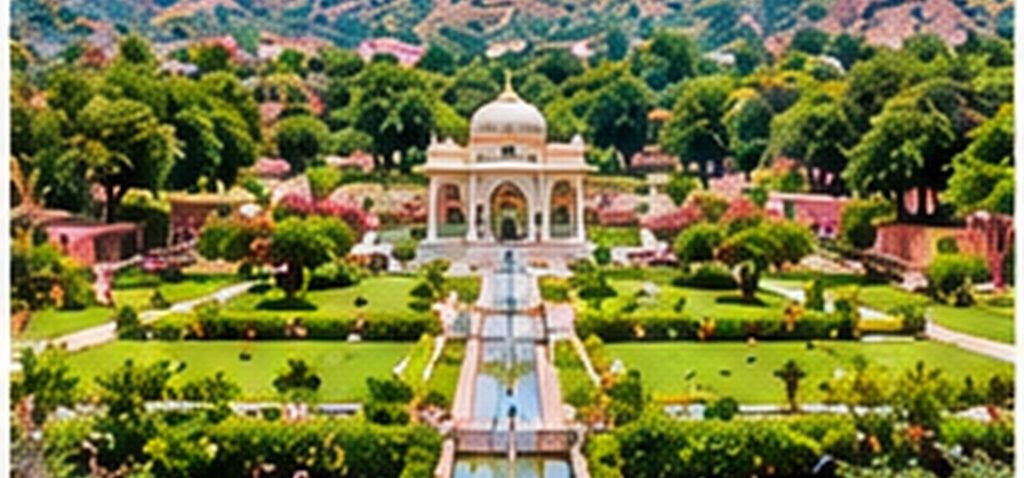
Sisodia Rani Garden is a peaceful royal retreat in Jaipur, known for its terraced lawns, decorative fountains, and beautiful murals. Built in 1728 by Maharaja Sawai Jai Singh II for his Sisodia queen, the garden blends Mughal-inspired landscaping with traditional Rajput architecture. Its pavilions and paintings depicting Radha and Krishna add to its historic charm, making it a lovely spot for photography and relaxation. Located on Agra Road in the Ghat Ki Guni area, around 8 km from Jaipur city centre, it offers a refreshing break from the city’s busy tourist attractions.
13. Jaipur Zoo
Jaipur Zoo is a historic attraction for visitors interested in wildlife and nature, particularly families travelling with children. Established in 1876 during the reign of Maharaja Sawai Ram Singh II, the zoo was originally part of the Ram Niwas Garden complex and has long been a familiar landmark in the city. Its traditional focus has been on a variety of animals and birds, although some larger animals have since been relocated to Nahargarh Biological Park. Located within Ram Niwas Garden, near Albert Hall Museum in central Jaipur, it is easy to combine with nearby cultural attractions. Before visiting, check the latest operating status and available exhibits, as the zoo’s facilities and animal collection have changed over time.
14. Central Park
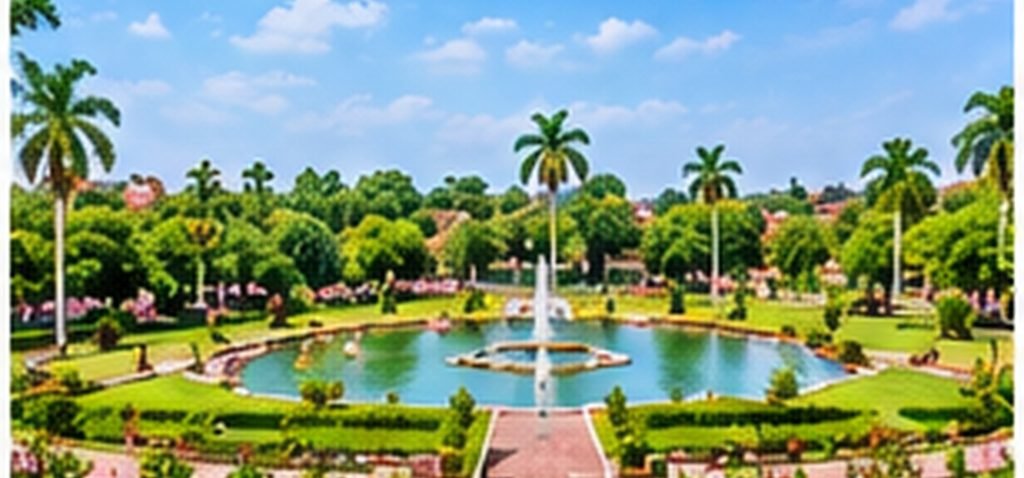
Central Park is a popular green space in Jaipur, offering a peaceful break from the city’s busy streets and historic attractions. Known for its expansive lawns, walking paths, and towering national flag, it is a favourite spot for morning walks, jogging, and relaxation. Whether you want to enjoy some fresh air or take a leisurely stroll, the park provides a refreshing outdoor experience. Located near Statue Circle in the C-Scheme area of central Jaipur, it is an easy addition to your sightseeing itinerary.
15. Anokhi Museum of Hand Printing
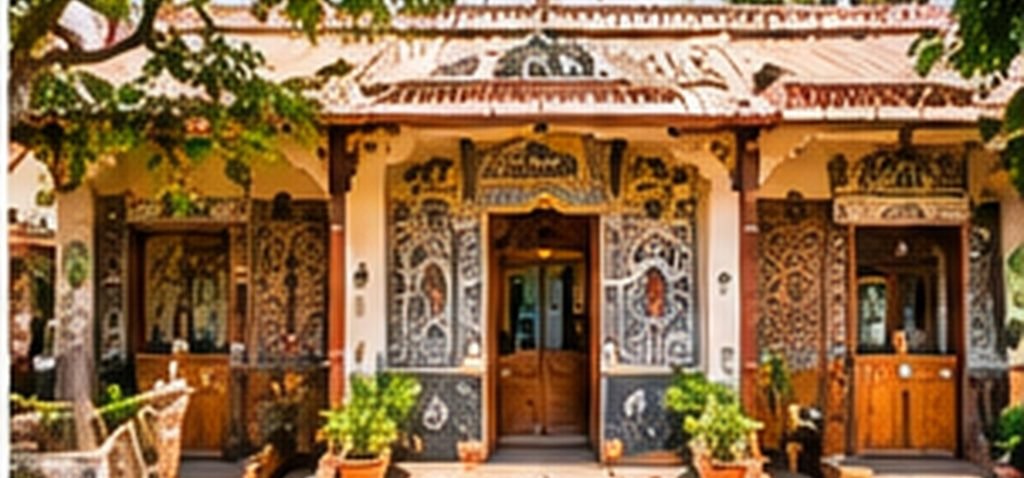
The Anokhi Museum of Hand Printing is a fascinating cultural attraction dedicated to Rajasthan’s traditional block-printing craft. Housed in a restored haveli, the museum showcases printed textiles, carved wooden blocks, natural dyes, and traditional tools that highlight the skill of local artisans. Visitors can also learn how intricate patterns are created by hand using techniques passed down through generations. Located near Kheri Gate in Amer, close to Amer Fort and Panna Meena Ka Kund, it is a worthwhile stop for anyone interested in traditional textiles, art, and local culture.
16. Chokhi Dhani
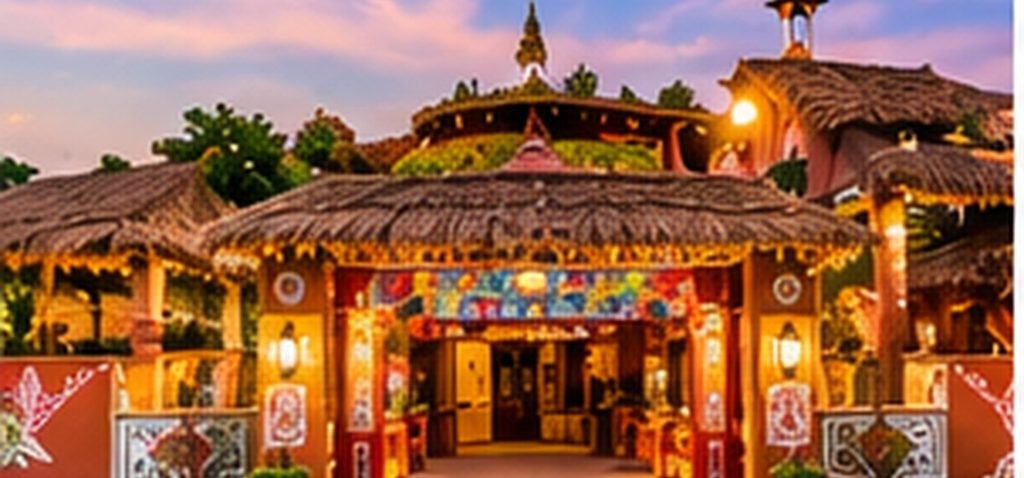
Chokhi Dhani is a popular cultural destination where you can experience Rajasthan’s traditions, hospitality, and village life in one place. It features lively folk dances, puppet shows, traditional games, and local handicrafts, offering an entertaining glimpse into Rajasthani culture. The highlight is its authentic Rajasthani thali, featuring regional favourites such as dal baati churma. Located on Tonk Road near Sitapura, around 20 km from Jaipur city centre, Chokhi Dhani is an excellent evening outing for families and travellers looking to enjoy local food and cultural performances.
17. Kanak Vrindavan Garden
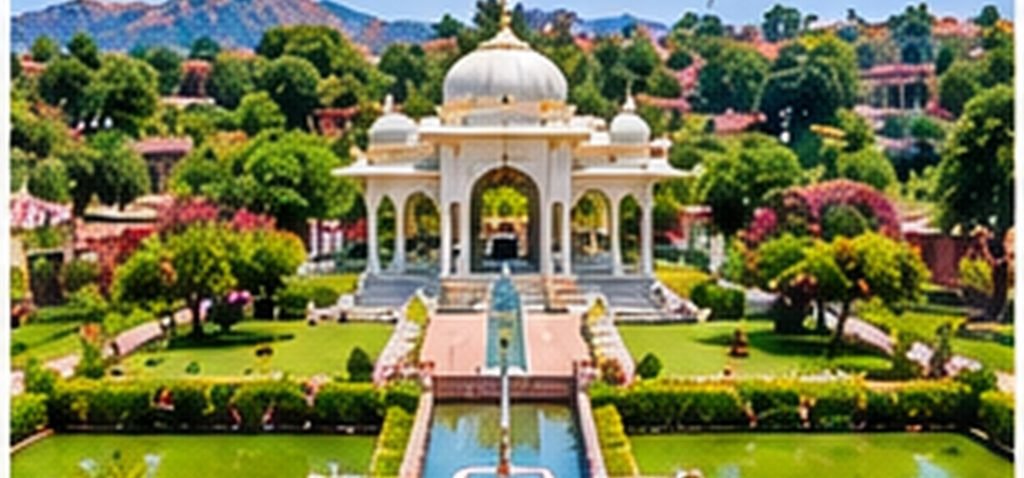
Kanak Vrindavan Garden is a beautiful historic garden in Jaipur, known for its lush greenery, marble fountains, and intricately carved pavilions. Developed during the reign of Maharaja Sawai Jai Singh II, it combines Mughal-inspired landscaping with traditional Rajput architecture. The garden’s peaceful atmosphere and scenic hill views make it a lovely spot for relaxation and photography. Located on Amer Road, at the foothills of the Nahargarh Hills near Jal Mahal, it is an ideal stop while exploring Jaipur’s historic attractions.
18. Gatore Ki Chhatriyan
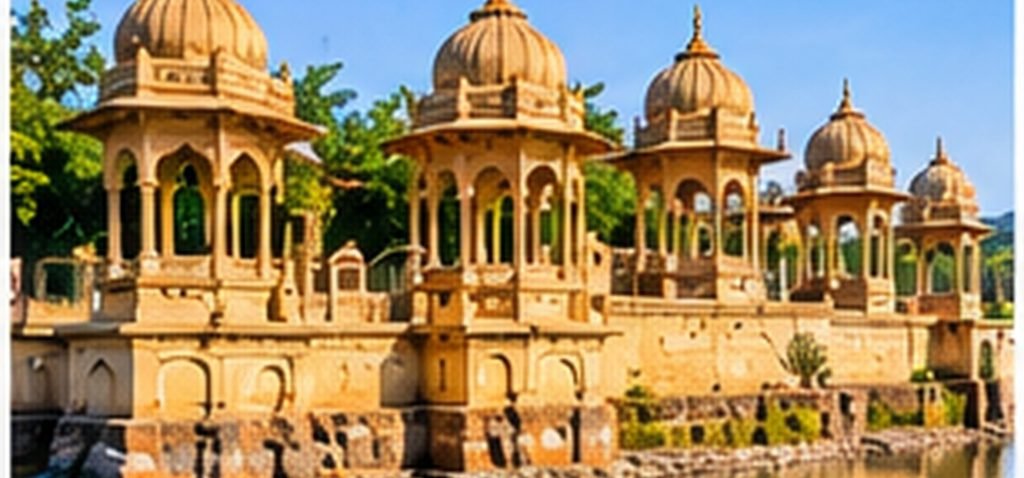
Gatore Ki Chhatriyan is a hidden gem in Jaipur, known for its intricately carved marble cenotaphs and elegant domed pavilions honouring the city’s former rulers. The complex showcases exquisite Rajput architecture, with detailed stone carvings and ornamental pillars. The cenotaph of Maharaja Sawai Jai Singh II, Jaipur’s founder, is particularly notable for its beautiful craftsmanship. Located near the foothills of Nahargarh Fort, just off Jaipur–Amer Road in Brahampuri, this peaceful heritage site is ideal for history enthusiasts, architecture lovers, and photography enthusiasts.
19. Jawahar Circle Garden
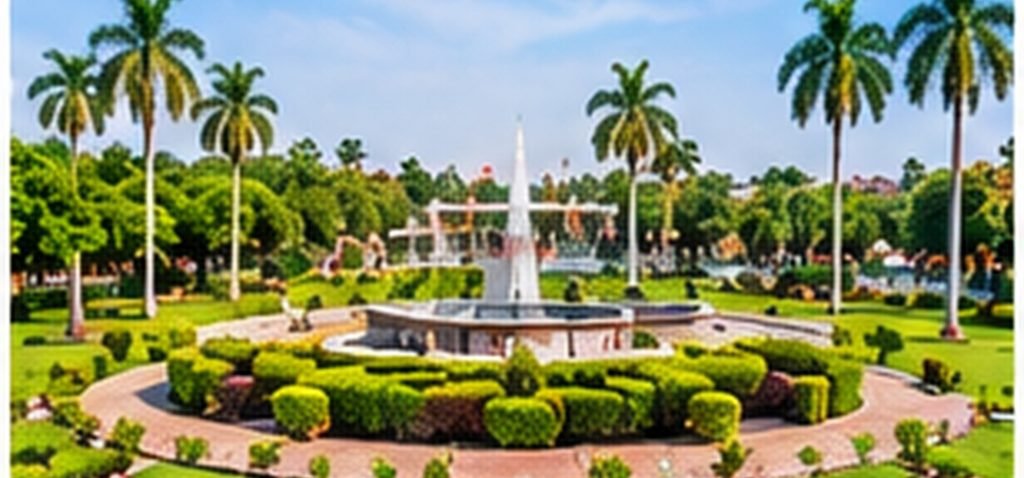
Jawahar Circle Garden is a popular recreational spot in Jaipur, known for its landscaped lawns, colourful gardens, and peaceful atmosphere. It features walking paths, a musical fountain, and the iconic Patrika Gate, famous for its vibrant colours and Rajasthani-inspired artwork. Located on Jawaharlal Nehru Marg in Malviya Nagar, near Jaipur International Airport, the garden is an excellent place for an evening stroll, photography, or a relaxing outing with family and friends.
20. Amrapali Museum
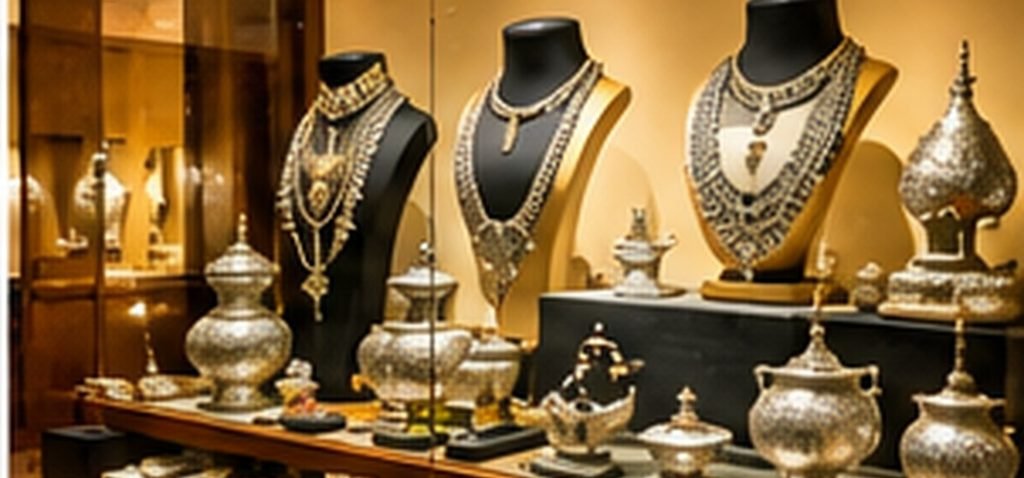
Amrapali Museum is a fascinating cultural attraction in Jaipur, showcasing India’s rich jewellery-making traditions. Its collection features intricate gold and silver ornaments, tribal jewellery, and decorative silverware that reflect the diverse craftsmanship of Indian regions. Each exhibit highlights the cultural significance of jewellery and the artistry passed down through generations. Located on Ashok Marg in Jaipur’s C-Scheme area, near Panch Batti, the museum is a worthwhile stop for travellers interested in traditional Indian art, craftsmanship, and heritage.
Best Time to Visit Jaipur
The best time to visit Jaipur is October to March, when pleasant weather makes exploring forts, palaces, and colourful markets more comfortable. November to February is particularly ideal for sightseeing and outdoor activities. Summers, from April to June, can be extremely hot, while the monsoon season brings occasional rainfall. Located in eastern Rajasthan, northwestern India, Jaipur is best explored during the cooler months for a more enjoyable travel experience.
Famous Food to Try in Jaipur
Jaipur’s culinary heritage is best experienced in the heart of the Pink City, particularly around Johari Bazaar, Bapu Bazaar, and the old city’s traditional food streets. Treat yourself to the iconic Dal Baati Churma, savour the crispy, onion-filled Pyaaz Kachori, and finish with a sweet slice of Ghewar, a Rajasthani delicacy. For a richer taste of local cuisine, try Laal Maas, a spicy mutton curry traditionally associated with Rajasthan, or cool down with a creamy, refreshing lassi. From time-honoured sweet shops to bustling street-food stalls, Jaipur offers an authentic taste of Rajasthan that deserves a place on every traveller’s itinerary.
Explore More of Rajasthan
If you have more time to explore Rajasthan, consider visiting Udaipur, a city known for its beautiful lakes, grand palaces, and rich cultural heritage. Before planning your trip, check out our guide to the best places to visit in Udaipur for inspiration on what to see and experience.
Conclusion
Jaipur is a city where Rajasthan’s royal heritage, vibrant culture, and everyday life come together beautifully. From exploring the grand forts and palaces to discovering historic stepwells, peaceful gardens, and colourful local markets, every corner offers something worth experiencing. Whether you’re visiting for a weekend or planning a longer stay, these 20 best places to visit in Jaipur will help you make the most of your trip. Take time to enjoy the local cuisine, admire the city’s architecture, and experience its warm hospitality for a memorable journey through the Pink City.
FAQ
1. What are the best places to visit in Jaipur?
Some of the best places to visit in Jaipur include Amer Fort, Hawa Mahal, City Palace, Jantar Mantar, Nahargarh Fort, and Jal Mahal. These attractions offer a wonderful mix of royal history, architecture, and local culture.
2. How many days are enough to explore Jaipur?
Two to three days are usually enough to explore Jaipur’s main attractions, visit historic forts and palaces, enjoy local markets, and try authentic Rajasthani food.
3. What is Jaipur famous for?
Jaipur is famous for its pink-coloured buildings, royal forts, magnificent palaces, traditional handicrafts, jewellery, colourful markets, and delicious Rajasthani cuisine. It is also known as the Pink City of India.
4. What is the best time to visit Jaipur?
The best time to visit Jaipur is October to March, when the weather is generally pleasant for sightseeing, exploring forts, and enjoying outdoor activities.
5. Which places are best to visit in Jaipur with family?
Families can enjoy visiting Amer Fort, City Palace, Jantar Mantar, Albert Hall Museum, Jawahar Circle Garden, and Chokhi Dhani. These attractions offer a mix of history, culture, outdoor activities, and entertainment for different age groups.